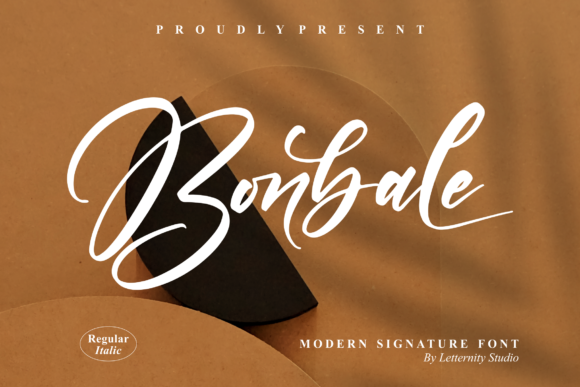
Bonbale Script Font: Elevate Your Brand Identity
As a small business owner, I have learned that your brand is not just what you sell; it is how you make people feel when they interact with your products. In the crowded marketplace of online shops and local boutiques, first impressions are everything. One of the most powerful, yet often overlooked, tools in my toolkit is typography. Choosing the right script font can transform a generic design into a memorable brand experience. This is why I recently discovered Bonbale, a beautiful script typeface that has become a staple in my creative workflow for branding, marketing, and packaging.
Bonbale is more than just a decorative text style; it is a visual voice. It carries an air of elegance and approachability that resonates deeply with modern consumers. Whether you are running a boutique clothing line, a cozy café, or a handmade candle shop, the personality of your chosen typeface speaks volumes before a customer even reads your tagline. In this guide, I will share how using Bonbale can help your business look more consistent, professional, and trustworthy across all real-world touchpoints.
Understanding the Personality of Bonbale
When evaluating a premium font, it is essential to understand its mood. Bonbale strikes a perfect balance between fluidity and structure. It feels handwritten but refined, avoiding the chaotic messiness of some casual scripts while steering clear of the stiffness found in overly formal calligraphy. This versatility makes it incredibly useful for entrepreneurs who want their brand to feel personal yet polished.
The strokes in Bonbale are smooth and rhythmic, creating a sense of movement that draws the eye. This visual flow is particularly effective for conveying luxury, care, and attention to detail. For instance, if you are designing labels for artisanal soaps or gourmet food items, a font like Bonbale suggests that the product inside was crafted with love and precision. It aligns perfectly with brands that prioritize quality and aesthetic appeal over mass-market efficiency.
Real-World Applications for Small Businesses
One of the biggest challenges for independent creators is maintaining a cohesive look across different platforms. Bonbale solves this by providing a versatile anchor for your brand identity. Here is how I have successfully integrated this creative font into various aspects of my business:
- Logo Design: For service providers like coaches, photographers, or consultants, a logo needs to be both distinctive and legible. Bonbale works beautifully as a primary element in a logo, especially when paired with a clean sans serif font for contact details. It adds a human touch that helps build rapport with potential clients.
- Packaging Design: In the world of e-commerce, unboxing is a critical part of the customer journey. Using Bonbale on product boxes, thank-you cards, or tissue paper creates a premium feel. Imagine receiving a package from a skincare brand where the name is elegantly scripted in Bonbale; it immediately signals that this is a gift-worthy item, not just a commodity.
- Social Media Graphics: On Instagram and Pinterest, visuals stop the scroll. Using Bonbale for quotes, promotional banners, or event announcements adds a layer of sophistication to your feed. It helps your posts stand out against the grid of bold, blocky fonts used by larger corporations, allowing your niche brand to shine.
- Product Labels and Stickers: For handmade goods, stickers are often the only branding visible on a product. Bonbale’s clear letterforms ensure that your brand name is readable even at small sizes. This is crucial for building recognition on shelves or in social media photos.
Font Pairing Strategies for Consistency
A common mistake new business owners make is relying solely on a single decorative font for all text. While Bonbale is stunning for headlines, it should not be used for body copy. To maintain readability and professionalism, pair Bonbale with a neutral sans serif font or a classic serif font.
For example, use Bonbale for your main logo or section headers, and pair it with a simple, highly readable sans serif like Helvetica or Lato for descriptions, prices, and instructions. This contrast creates visual hierarchy, guiding the customer’s eye to what matters most. If your brand leans more traditional, such as a law firm or a heritage bakery, pairing Bonbale with a elegant serif can enhance the feeling of timelessness and reliability.
Readability and Practical Considerations
While aesthetics are important, functionality cannot be ignored. As a business owner, I need my fonts to work hard for me. When using Bonbale, consider the context of where it will appear. On mobile screens, which is where most of your customers will see your content, large display text works well, but small paragraphs do not. Reserve Bonbale for titles, short phrases, and accents.
Additionally, test your font choices in black and white. Sometimes colors can mask poor kerning or spacing issues. Ensure that the letters in Bonbale do not bleed into each other when printed on small tags or embroidered on t-shirts. A high-quality commercial font should scale well across different mediums, from a giant billboard to a tiny coffee cup sleeve. Bonbale generally holds up well in these scenarios, provided you leave enough breathing room around the characters.
Legal and Licensing Essentials
Before you start applying Bonbale to your merchandise, it is vital to address licensing. Many entrepreneurs assume that buying a font for personal use covers commercial projects, but this is rarely the case. If you plan to use Bonbale on products you sell, such as mugs, t-shirts, or digital templates, you typically need a commercial license.
Failing to secure the correct license can lead to legal issues and financial penalties. Always check the specific terms provided by the font creator. Look for licenses that cover "merchandise," "resale," or "broadcast" rights depending on your business model. Investing in a proper license protects your business and respects the intellectual property of the designer. It is a small cost that ensures your brand operates ethically and securely.
Testing Before You Commit
I recommend creating a mini brand board before fully committing to Bonbale for your entire operation. Print out mockups of your logo, business card, and a sample product label. Ask friends, family, or even loyal customers for feedback. Does the font convey the right message? Is it easy to read? Does it fit with your overall color palette and imagery?
This step saves time and money in the long run. It allows you to adjust your design strategy early, ensuring that every piece of your design assets works together harmoniously. By thoughtfully integrating Bonbale into your modern typography strategy, you create a brand presence that feels intentional, credible, and inviting. In a world where trust is earned through consistency, letting a beautiful font like Bonbale speak for your quality is a smart business move.