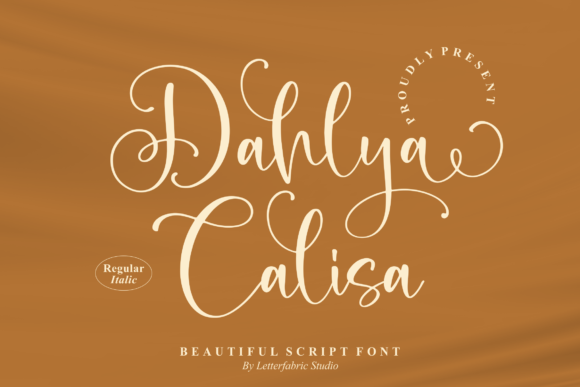
Dahlya Calisa: A Script Font for Engaging Brand Campaigns
The clock is ticking. It’s 4:00 PM on a Tuesday, and the social media manager for a boutique home goods brand needs three Instagram stories and a YouTube thumbnail ready by morning. The product is a new line of hand-poured candles, and the vibe needs to be warm, inviting, and slightly upscale. The creative director sends over a mood board filled with soft pastels, textured backgrounds, and elegant photography. The missing piece? The right typography to tie it all together. Enter Dahlya Calisa.
This isn’t just another decorative script; it’s a strategic design asset that bridges the gap between handwritten charm and professional polish. As a designer reviewing this typeface within a real campaign workflow, I’ve tested how Dahlya Calisa performs not just in isolation, but under the pressure of digital visibility, mobile scrolling, and brand consistency. Here is a practical look at why this script font deserves a spot in your creative toolkit.
First Impressions and Visual Personality
When you first open the font files, the personality of Dahlya Calisa hits you immediately. It carries a fluid, organic rhythm that feels human rather than mechanical. Unlike rigid calligraphy fonts that can feel stiff or overly formal, this creative font offers a relaxed elegance. The strokes vary naturally, mimicking the pressure of a real brush or pen, which adds depth to static images.
In the context of brand identity, this versatility is crucial. For the candle launch mentioned earlier, using Dahlya Calisa for the main headline instantly communicates quality and care. It suggests that the product was made by hand, aligning perfectly with artisanal branding. However, it’s important to recognize its limits. This is primarily a display font intended for headlines, logo design elements, and short copy. It is not designed for body text or dense information. Trying to force it into long paragraphs will hurt readability and frustrate your audience.
Performance in Social Media Graphics
Social media is a visual-first ecosystem where attention spans are measured in milliseconds. When designing for platforms like Instagram, Pinterest, or TikTok, your typography must compete with cluttered feeds. Dahlya Calisa excels here because of its high legibility at larger sizes while maintaining an aesthetic appeal that stops the scroll.
- Instagram Posts and Stories: Use the font for overlay text on clean backgrounds. Because the script has distinct character shapes, it remains readable even when placed over busy lifestyle photos, provided there is sufficient contrast. It works beautifully for quote graphics, offering a sophisticated touch that elevates simple text into shareable content.
- Pinterest Pins: Pinterest users often scan quickly for inspiration. A bold application of Dahlya Calisa for titles like "5 Ways to Style Your Living Room" creates a strong visual hierarchy. The font’s elegance signals that the content is curated and high-quality, encouraging clicks.
- YouTube Thumbnails: In the crowded world of video content, thumbnails need to pop. While script fonts can sometimes get lost against complex backgrounds, Dahlya Calisa’s balanced weight ensures it stands out. Pair it with a sans serif font for secondary details to create a clear distinction between the hook (the script) and the context (the sans serif).
Enhancing Digital Ads and Web Design
Moving beyond social media, Dahlya Calisa brings a unique flair to web design and digital advertising. When used as a hero header on a landing page, it sets the tone for the entire user experience. Imagine a landing page for an online course or a webinar banner; applying the font to the main title creates an immediate emotional connection with the visitor.
However, strategic placement is key. In email promotion campaigns, the subject line and preheader text should remain functional and clear. Reserve Dahlya Calisa for the email body’s decorative headers or promotional banners. This approach maintains a professional standard while injecting personality. For packaging design or product packaging, such as labels for mugs or journals, the font adds a premium feel that justifies higher price points. Customers associate elegant typography with quality craftsmanship.
Readability and Mobile Optimization
One of the most critical aspects of modern design is mobile optimization. Most users view content on small screens. When testing Dahlya Calisa on mobile devices, we found that keeping the font size relatively large is essential. If scaled down too much, the intricate details of the script can blur or become indistinguishable, especially on lower-resolution screens.
To ensure message clarity across all devices:
- Contrast is King: Always test the font against both light and dark backgrounds. On dark backgrounds, use a lighter color for the text to prevent the script from getting lost. On light backgrounds, ensure the text color is deep enough to provide sharp contrast.
- Limit Line Length: Avoid wrapping the script font around wide areas. Keep lines short and centered or left-aligned to maintain visual balance.
- Avoid Clutter: Do not place the font over images with high texture or noise. Solid colors or blurred backgrounds work best to let the typography shine.
Strategic Font Pairing and Typography Systems
No single font can do everything. To maximize the impact of Dahlya Calisa, effective font pairing is non-negotiable. The best partners for this script are clean, neutral typefaces that allow the script to take center stage without competition.
A classic sans serif font is the safest and most effective choice. Its geometric simplicity provides a stable foundation for the flowing curves of Dahlya Calisa. For example, pairing it with a minimalist sans serif for subheadings and body copy creates a harmonious hierarchy. Alternatively, a modern serif font can work well if you are aiming for a more editorial or literary aesthetic, though this requires careful spacing adjustments to avoid visual clash.
For designers building comprehensive design assets or branded template packs, having access to multiple weights and styles is beneficial. Check the included styles in the font package. Does it offer italics? Bold variants? Ligatures? These features add flexibility, allowing you to emphasize specific words or create dynamic layouts without switching typefaces. Multilingual support is also a valuable feature if your campaigns target diverse audiences, ensuring consistent branding across different languages.
Practical Applications and Limitations
While Dahlya Calisa is versatile, it is not a universal solution. There are specific campaign situations where this font may not be suitable. For instance, in formal corporate communication, legal disclaimers, or technical documentation, the casual elegance of a script font can undermine authority and clarity. In these cases, stick to traditional serif or sans serif typefaces that prioritize neutrality and precision.
Similarly, for tiny text, such as fine print on packaging or footers in emails, readability suffers. The detailed nature of the script becomes a barrier to quick comprehension. Save Dahlya Calisa for moments where emotion and style are the primary goals: sale announcements, special event invitations, watermark overlays, and motivational quotes.
Licensing and Commercial Use
Before deploying Dahlya Calisa in any client campaign, digital product, or merchandise, verify the commercial font licensing. Understanding whether the license covers web usage, app integration, or physical goods is essential for risk management. Proper licensing protects your brand and respects the creator’s intellectual property, ensuring a smooth and ethical workflow.
In conclusion, Dahlya Calisa is more than just a pretty typeface; it is a tool for enhancing brand recognition and audience engagement. By using it strategically in headlines, social graphics, and promotional materials, marketers can inject personality and warmth into their campaigns. When paired correctly and applied with an understanding of mobile readability, this premium font helps create visuals that are not only seen but remembered.